What Should a Restaurant Do After Finding a Pest?
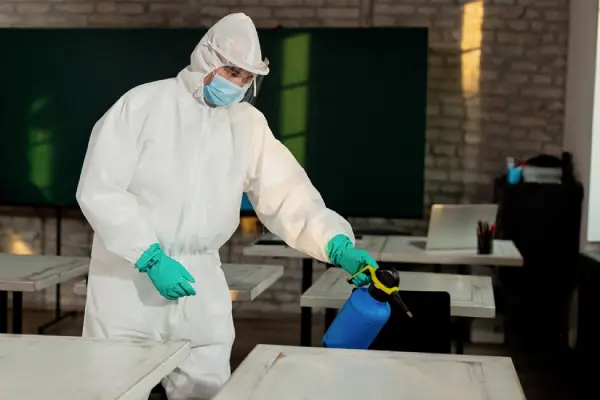
Discovering a bug inside a restaurant is more than just an unpleasant surprise. It can create issues for food safety, hygiene, consumer confidence, and day-to-day operations, especially if the pest is found in a kitchen, storage room, or dining room. The correct answer is to stay calm, protect food and preparation areas, and arrange for professional assessment instead of a quick fix. Restaurant owners might also be wondering, “How much should pest control costwhen there’s unexpected activity? The answer depends on the pest, severity, property size, and what treatment is needed. A quick response can prevent one sighting from escalating into a bigger problem, which is why Pest control in restaurant settings should be approached with a considered, professional approach. Stay Calm and Find Out Where the Pest Had Been First, find the location where the pest was observed and look for signs of additional activity. Seeing one does not mean there is a major infestation, but it should be taken seriously. Look for areas where food is prepared and stored, garbage areas, sinks, appliances, and any other sources of food or moisture that could attract pests. This information can also be useful to a professional pest control operator to understand the situation. Safeguard Food and Food Preparation Areas Any food or ingredients that might have been in contact should be disposed of according to the restaurant’s food safety procedures. Work surfaces and affected areas should also be cleaned appropriately before resumption of normal operations. The goal is to prevent possible contamination while assessing the source of the pest activity. Staff should avoid unnecessarily shuffling potentially affected items, as this can make it more difficult to trace where the problem started. Don’t Assume One Pest Means Nothing Survival needs for pests include food, water, warmth, and shelter, many of which can be found in restaurants. A pest may get in by accident, but seeing it more than once may mean that conditions are favoring continuing activity. That is why restaurant owners should treat repeated sightings as serious. Zeroing in on just the location where the pest was seen can overlook activity elsewhere on the property. Schedule a Professional Inspection A professional inspection can give a better picture of what is going on. A technician can check areas where pests like to hide or travel and look for droppings, damage, signs of nesting, or other signs. This is especially useful in restaurants where pests can be active in areas out of sight of customers, such as behind equipment, under fixtures, in storage areas, or around waste handling locations. Know What Treatment Could Encompass Treatment should be appropriate to the type of pest and conditions at the time of the inspection. Cockroaches, rodents, ants, and other pests do not act in the same way; therefore, one treatment method does not suit all situations. Professional pest control may use targeted products, traps, monitoring, or other methods depending on the infestation. The idea is to treat the real pest problem, not just the location where a pest was found. Don’t Fall for the Quick DIY Fix Seeing a pest may make it tempting to immediately purchase an over-the-counter product. But using a product without knowing the cause of the activity can only produce short-term results. Pest control in restaurants also has extra considerations because pest control is done around food, equipment, employees, and customers. Professional advice will help ensure that treatment is planned around the property and its day-to-day operations. How Much Does Pest Control Cost? One of the first questions restaurant owners may ask is “How much should pest control cost?” There is no set price as the cost is subject to the pest, size of property, severity of infestation, areas needing treatment, and type of service required. The best way to understand what’s involved and to get a realistic estimate is a professional evaluation. If you choose a company based only on the lowest price, you may be led astray if the actual pest problem is not treated correctly. The Importance of Ongoing Restaurant Pest Control Restaurants need to be vigilant about conditions that may attract pests. Pests can take advantage of food debris, standing water, overflowing waste containers, cluttered storage areas, and other maintenance issues. Good sanitation and proper storage are important, but they are not a substitute for professional pest control if you have an infestation. Daily good habits and proper professional treatment can help control pest activity. Keep Your Restaurant’s Reputation Customers expect a high level of cleanliness in restaurants. One pest that is seen can ruin a customer’s perception of the entire establishment. A quick and professional response shows that the restaurant is serious about the issue. Acting quickly can also help nip a manageable problem in the bud before it escalates into something more disruptive to employees, customers, and normal business operations. Summary: When a restaurant finds a pest, the response should be measured and not panicked. You can ensure that a manageable problem does not become a larger operational headache by protecting food areas, tracing the source, and obtaining professional help where required. Restaurants face unique challenges when pest activity is discovered, and at Exterminating Everything, we understand. We offer Professional Pest control in restaurantenvironments and can evaluate the situation, suggest suitable treatment, and explain how much should pest control costfor your property’s needs. Contact us today to talk about your restaurant pest control problems and get a practical solution. FAQ Accordion FAQ’s 1. How much should pest control cost for a restaurant? Ans. The cost varies based on the pest, property size, infestation severity, treatment requirements, and frequency of service. 2. Why is professional pest control important for restaurants? Ans. Restaurants have food, equipment, employees, and customers to consider. Professional treatment can address pest activity using an approach suited to the property. 3. Can restaurants handle pest problems themselves? Ans. Basic sanitation can help reduce pest attraction, but established or recurring activity generally requires professional assessment and treatment. 4. Where do pests commonly hide